Lighting designed for the defect
Low-angle, dome, backlight, polarised or strobed — chosen in our optics lab against your real samples so the defect has the highest possible contrast before any AI is involved.
Vision & Inspection
We design and install AI inspection cells that see the scratch, short shot, open seal or missing part at full line speed — and act on it before the part reaches a customer.
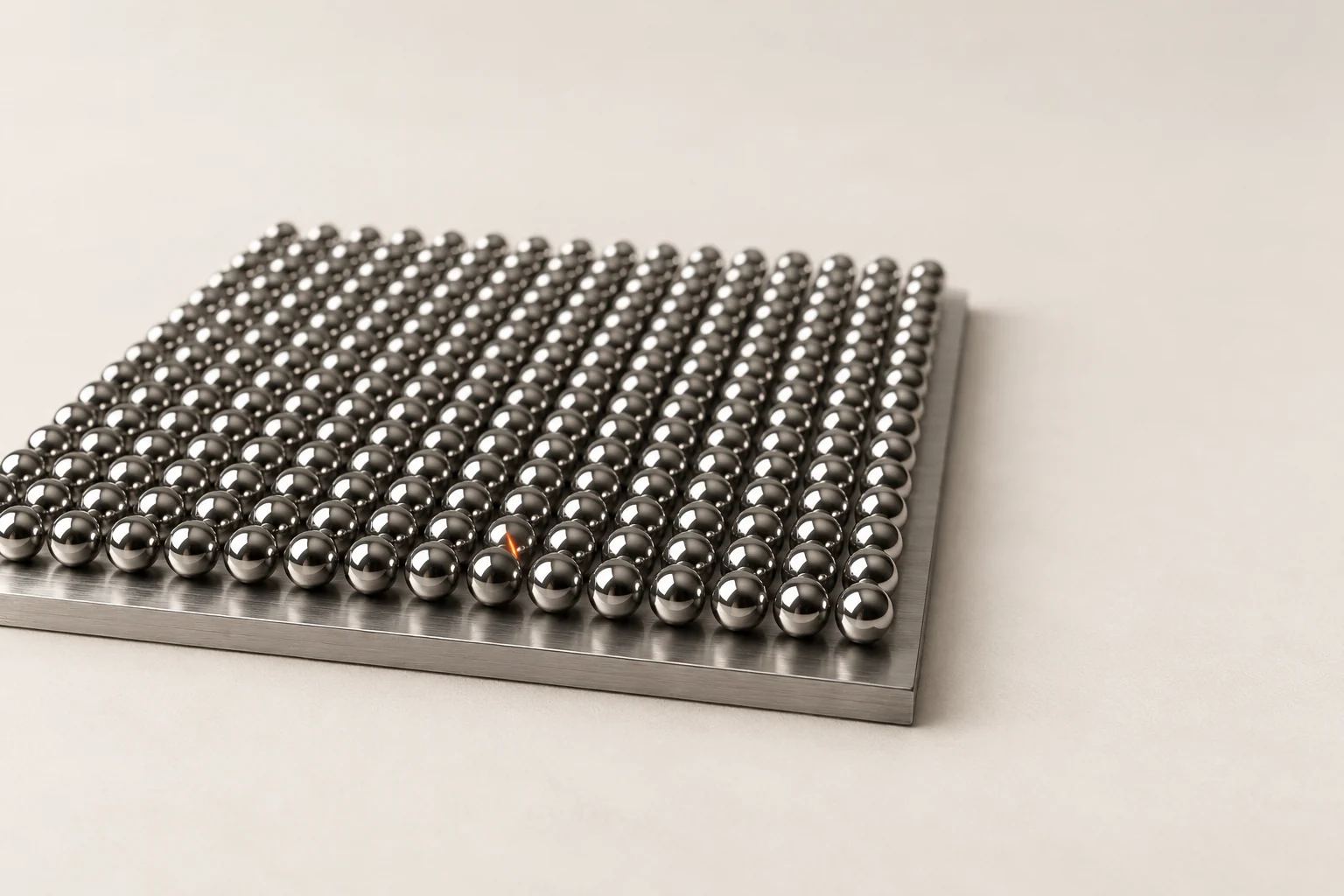
The problem
Classic machine vision is excellent at measuring things that look the same every time: a hole position, a barcode, a label edge. It struggles with defects that vary — a hairline crack that runs in any direction, a seal wrinkle that looks different on every pouch, a cosmetic blemish on a textured surface. Teams compensate with tighter thresholds, and then fight false rejects for the rest of the year.
Human inspection catches more variety but fades with fatigue: attention on a repetitive visual task declines over a long shift, and a second shift rarely judges the same way as the first. Neither approach gives you a record of why a part was rejected.
An AI inspection system learns what good looks like and what each defect looks like from your own parts. It runs on hardware beside the line, decides in milliseconds, and keeps an image of every reject so quality teams can audit every decision.
How it works
Most inspection projects succeed or fail on the first two items on this list. We start there.
Low-angle, dome, backlight, polarised or strobed — chosen in our optics lab against your real samples so the defect has the highest possible contrast before any AI is involved.
Lensnode V global-shutter cameras freeze motion at line speed; thermal and multispectral variants see what visible light cannot.
A fanless Gatepoint gateway runs the model beside the line with typical frame-to-I/O decisions under 40 ms — no network round trip.
We combine supervised defect classes with anomaly detection, so the system flags new defect types it has never seen instead of passing them.
Encoder tracking, reject-gate timing and handshakes are part of the job, not an afterthought. See PLC integration.
Perflens Console stores each reject image with the model version, confidence and reason, ready for a customer audit.
What the model sees
Drag the handle to compare the raw camera frame with the model's defect heat map. Each highlighted region is stored with the reject image.
Process
You send good and bad parts. We image them under several lighting geometries, train a baseline model and deliver a written go/no-go with modeled ROI.
A loaner cell runs on your line in shadow mode against success criteria we agree in writing before we start.
Mechanical mounting, enclosures, PLC and MES integration, factory acceptance test in our lab, then site acceptance test on your line.
Operator training, documentation, and Perflens Care to monitor drift and retrain as materials, suppliers and seasons change.
Deliverables
Typical performance
Every line is different; these are the ranges our standard designs are built around. Your Feasibility Sprint gives you numbers for your parts.
Honest fit
See it in context
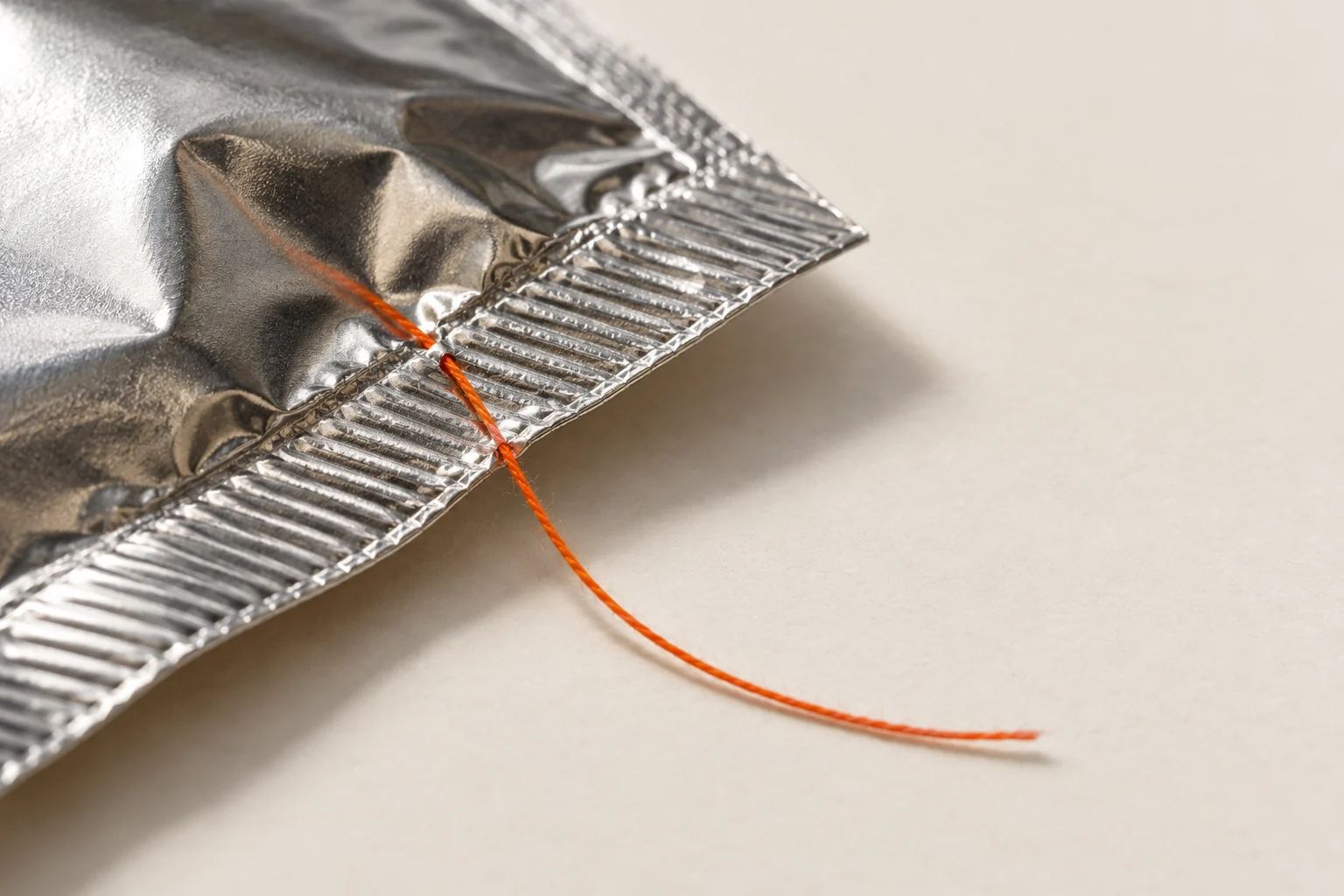
Low-angle red light and a Gatepoint G2 find leaking seals on snack pouches in a modeled food-line scenario.
Read more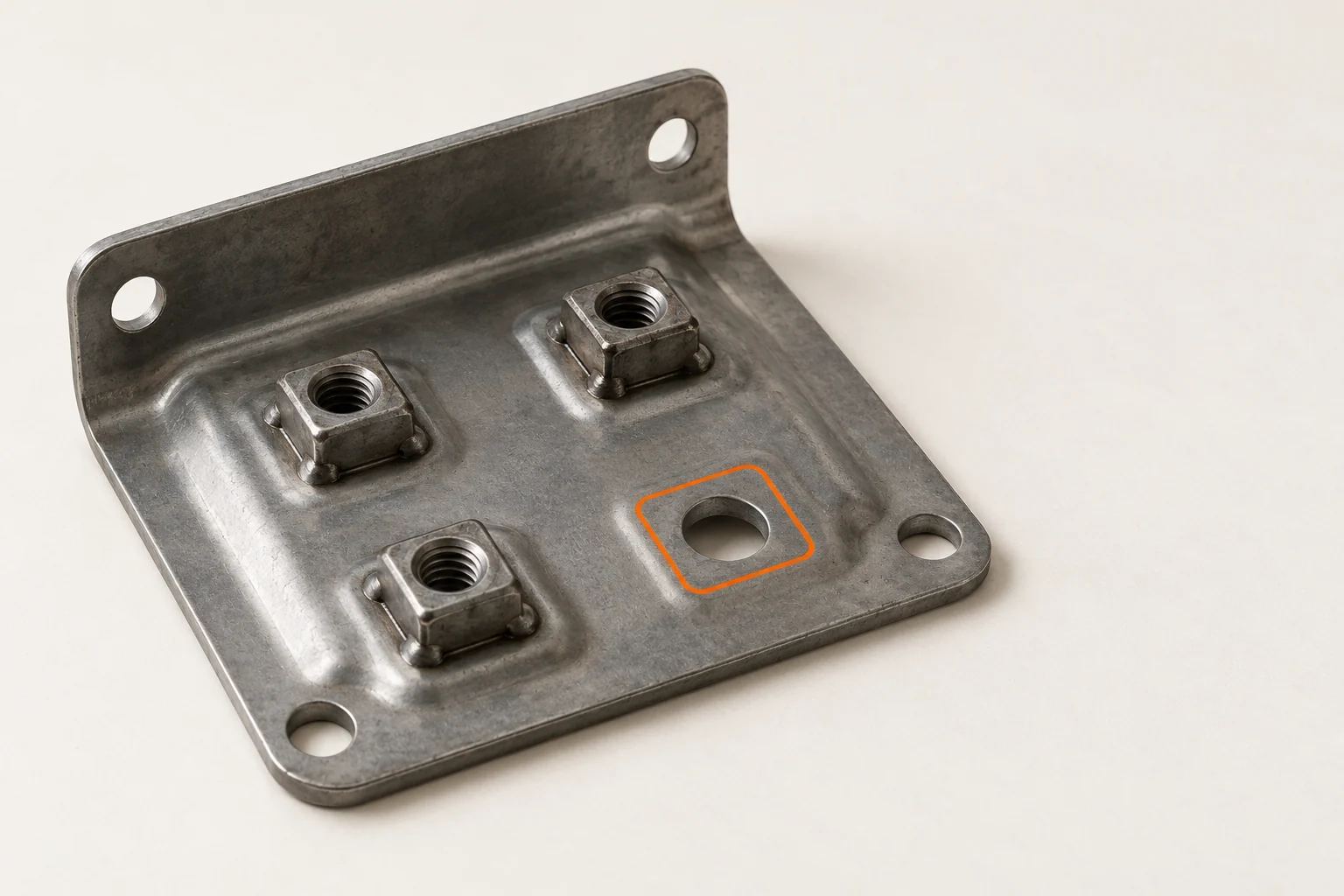
How a stamping line could stop shipping brackets with missing nuts without buying new cameras.
Read moreFAQ
For a Feasibility Sprint, 30–50 good parts and as many defective parts as you have — even 5–10 per defect type is useful. Anomaly-detection models learn mostly from good parts, and we can add synthetic defect data for rare defects once we have real examples to validate against.
No. The system inspects at line speed and decides in under 40 ms on the edge gateway. If the system faults, it fails to a state you choose — usually stopping the reject gate and raising a stack light rather than stopping the line.
Model drift is the most common reason inspection systems fade. Perflens Care monitors confidence and reject patterns, flags drift early and retrains the model on new material before detection drops.
Not unless you want them to. Inference, storage and the Console run on-premise. Remote support uses an outbound, customer-controlled connection that you can switch off at any time.
Yes. Typical single-station systems are $48,000–$140,000 installed as a capital purchase, or from $2,950 per station per month as Inspection-as-a-Service with hardware replacement included. See pricing.
A three-week Feasibility Sprint tells you, in writing, whether AI inspection will work on your defect — before you commit to a project.