Defects that never look the same twice
Seal wrinkles, weld spatter, sink marks and paint craters vary in shape and position. Rule-based vision struggles with them; AI visual inspection learns them from your parts.
Industries
What is the line making, how are the machines running, and how is the building behaving? Here is how we answer those questions in nine industries, with the hardware, constraints and compliance notes specific to each.

Nine industries
Each page covers the failures we see most often in that industry, the applications that address them, a recommended stack and the environmental and regulatory notes that shape the design.

Seal, foreign-material, label and fill inspection on IP69K washdown hardware, plus refrigeration monitoring.
Read more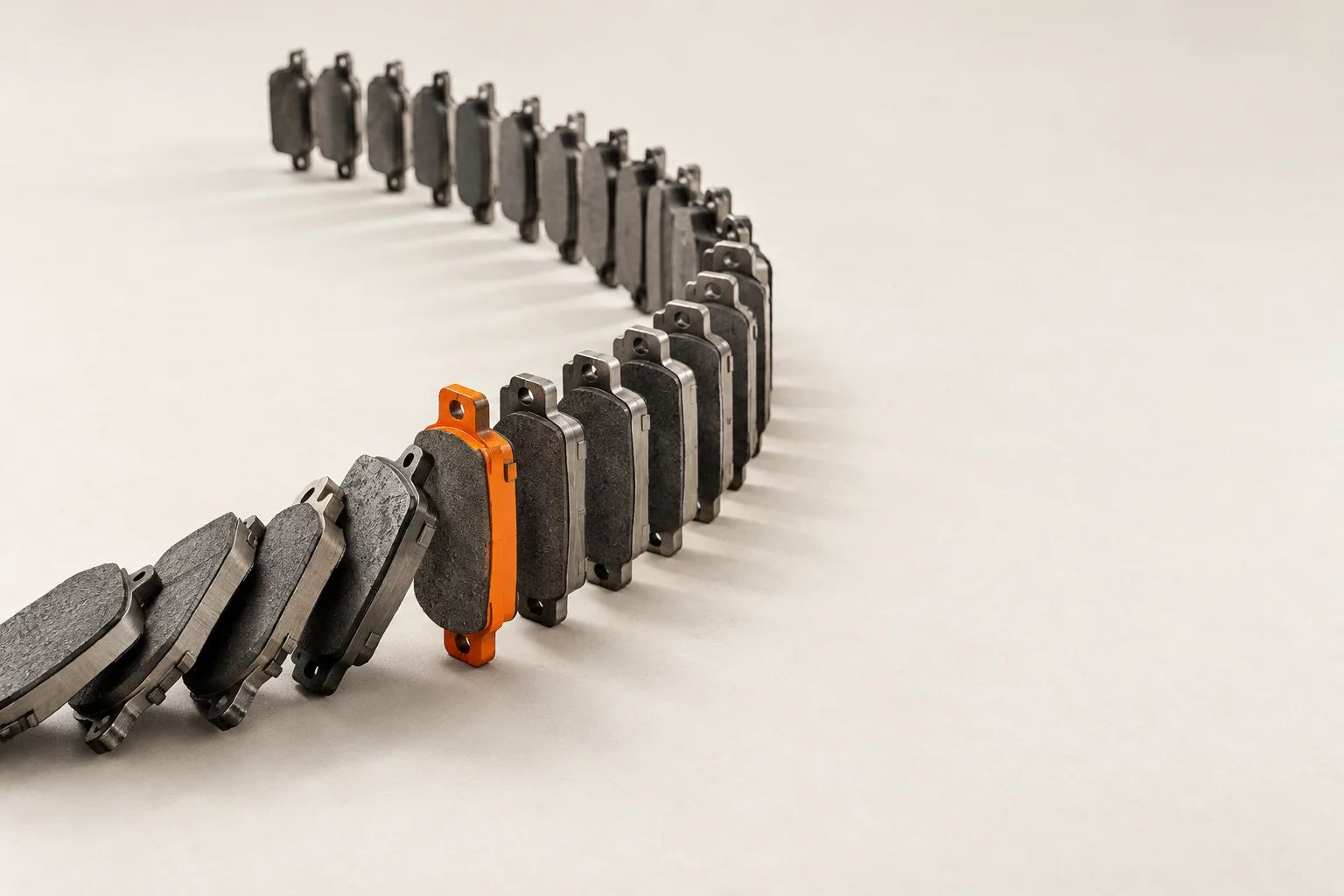
Fastener, weld-seam and surface inspection, often on existing cameras, with results tied to part serials.
Read more
Print, registration and glue-line inspection, with drive and dryer monitoring on corrugators, paper machines and sawmills.
Read more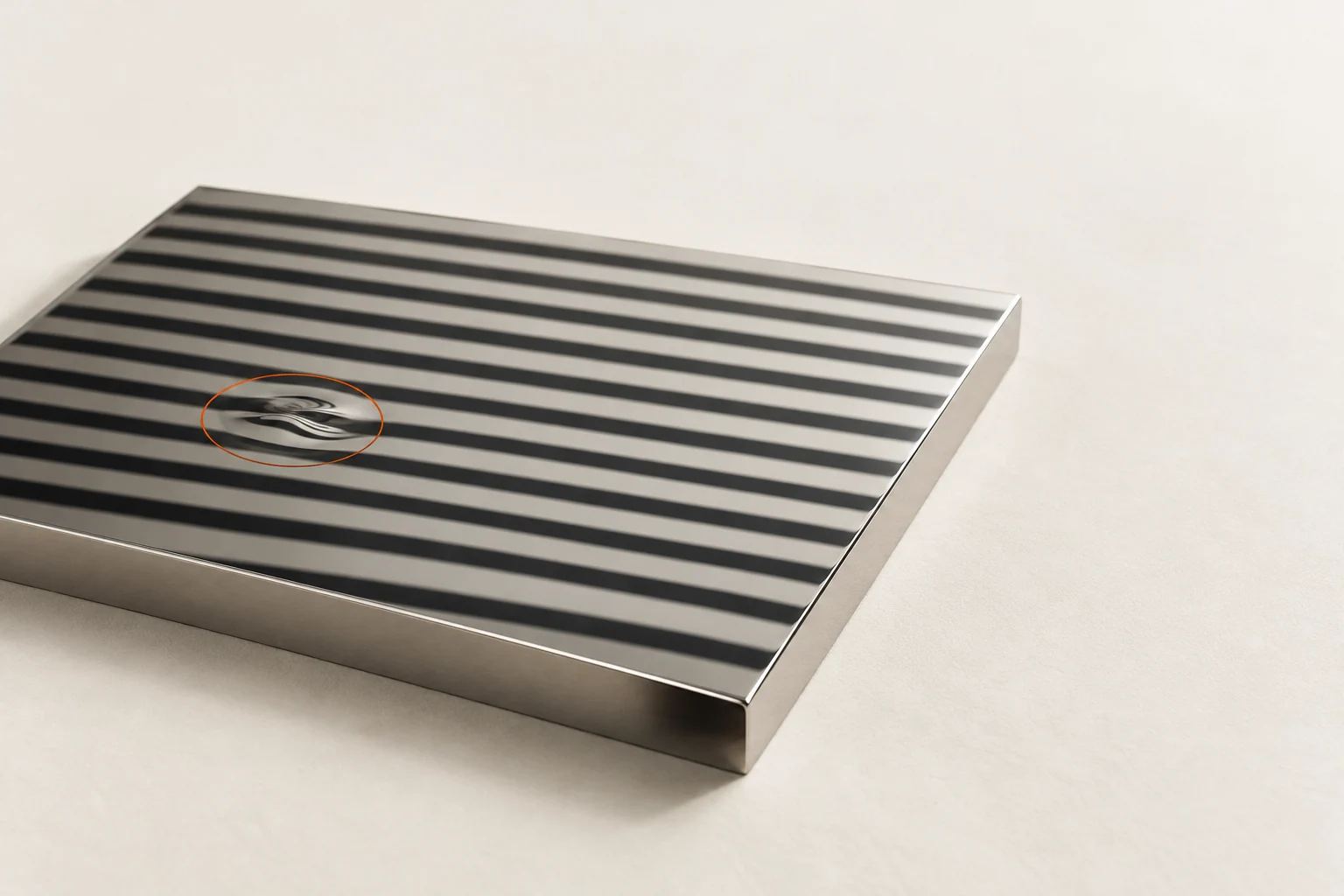
Weld and surface inspection, thermal watch on furnaces and ladles, and condition monitoring for cranes and gearboxes.
Read more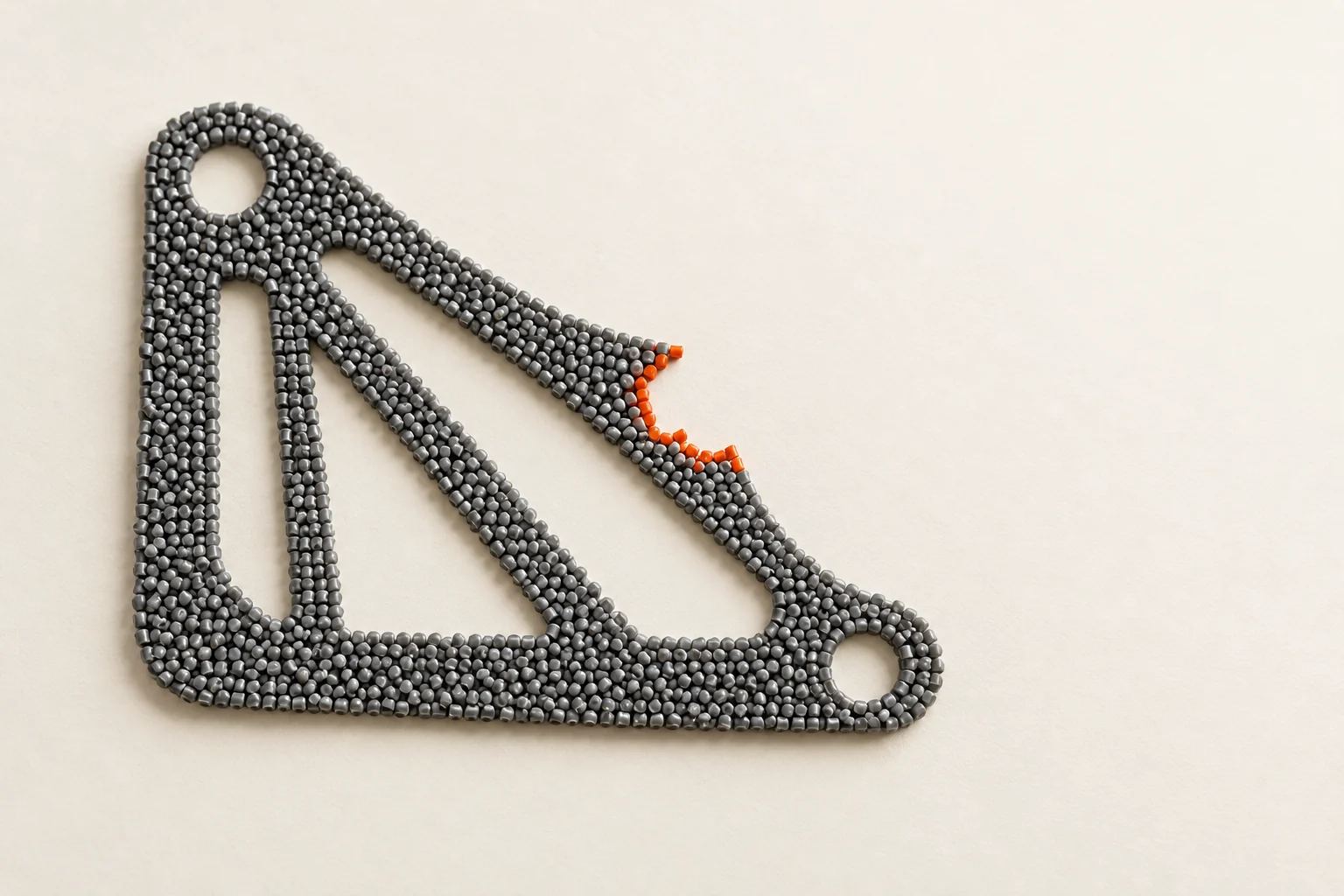
Short-shot, sink and flash detection traced to the cavity, with per-cavity mold thermal and dryer monitoring.
Read more
Particulate, blister, label and assembly inspection, with locked models and documentation designed to support validation.
Read more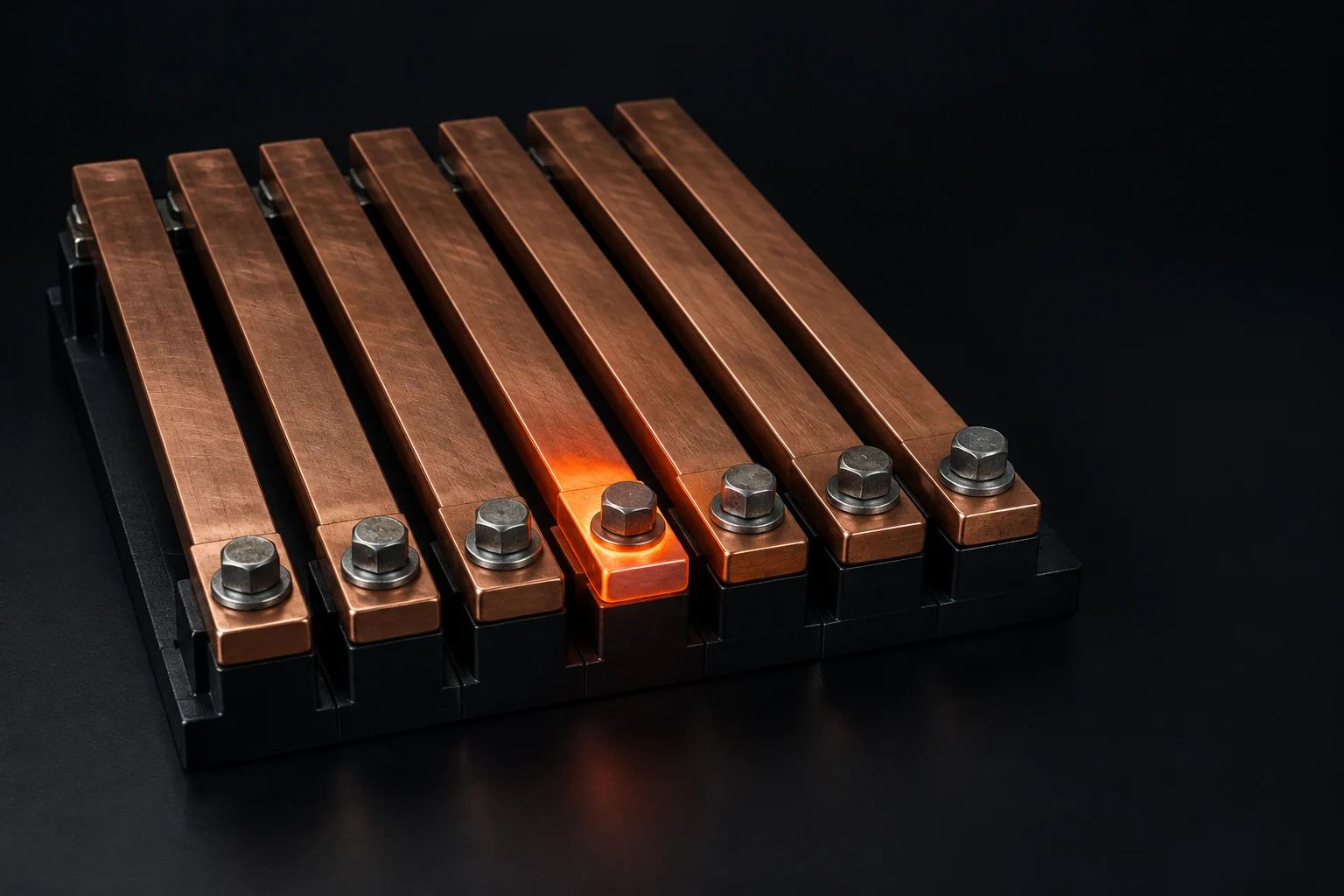
Continuous thermal on switchgear, busbars and BESS containers, plus UPS and cooling-plant condition monitoring.
Read more
Conveyor and sorter health, parcel damage and read-rate monitoring, dock doors, compressed air and cold storage.
Read more
Energy sub-metering, HVAC and chiller condition, privacy-preserving occupancy and water-leak alerts across a portfolio.
Read moreCross-industry patterns
The products change from one plant to the next. The underlying problems are remarkably consistent, which is why one edge stack can serve all nine industries.
Seal wrinkles, weld spatter, sink marks and paint craters vary in shape and position. Rule-based vision struggles with them; AI visual inspection learns them from your parts.
Bearings, gearboxes and pumps usually give weeks of warning in vibration and temperature. Condition monitoring turns that warning into a planned repair.
Loose and corroded electrical joints run hot long before they fail. Continuous thermal catches the trend between periodic surveys.
Compressed air, refrigeration and after-hours load leak money in every building type. Facility monitoring puts a meter and an owner on each.
Quality, maintenance and facilities usually buy separate systems that never talk to each other. One edge layer, on hardware you own, gives all three teams the same view.
New suppliers, aging lights and summer humidity erode any model over time. Perflens Care monitors drift and retrains before detection drops.
Beyond these nine
The physics doesn't depend on what you make. If your problem is a defect that a camera can see, a rotating machine that fails without warning, an electrical connection that runs hot, or a utility bill nobody can explain, the methods on these pages apply. Glass, building materials, textiles, electronics assembly and agricultural processing fit the same patterns, even though they don't have a page of their own.
Equipment makers are a separate case. If you build machines and want inspection or monitoring inside them, see embedded firmware and custom electronics and smart optical sensor design.
The fastest way to find out is a 45-minute discovery call. Tell us about the defect, the asset or the building, and the cost of being wrong. If it is a fit, a three-week Feasibility Sprint gives you a written go/no-go before any larger commitment.
Bring the defect, the asset or the building that worries you most. We'll tell you, plainly, whether it is a problem we can solve and what it would take.