Thermal design
Fanless conduction cooling sized for your worst-case cabinet temperature, verified with sustained inference at maximum ambient — not a burst benchmark.
Edge Hardware
We choose edge AI compute for the model you actually run — Hailo, NVIDIA Jetson Orin or Thor, or Qualcomm Dragonwing — then engineer the heat, power, enclosure and lifecycle so it keeps working on a plant floor for years.
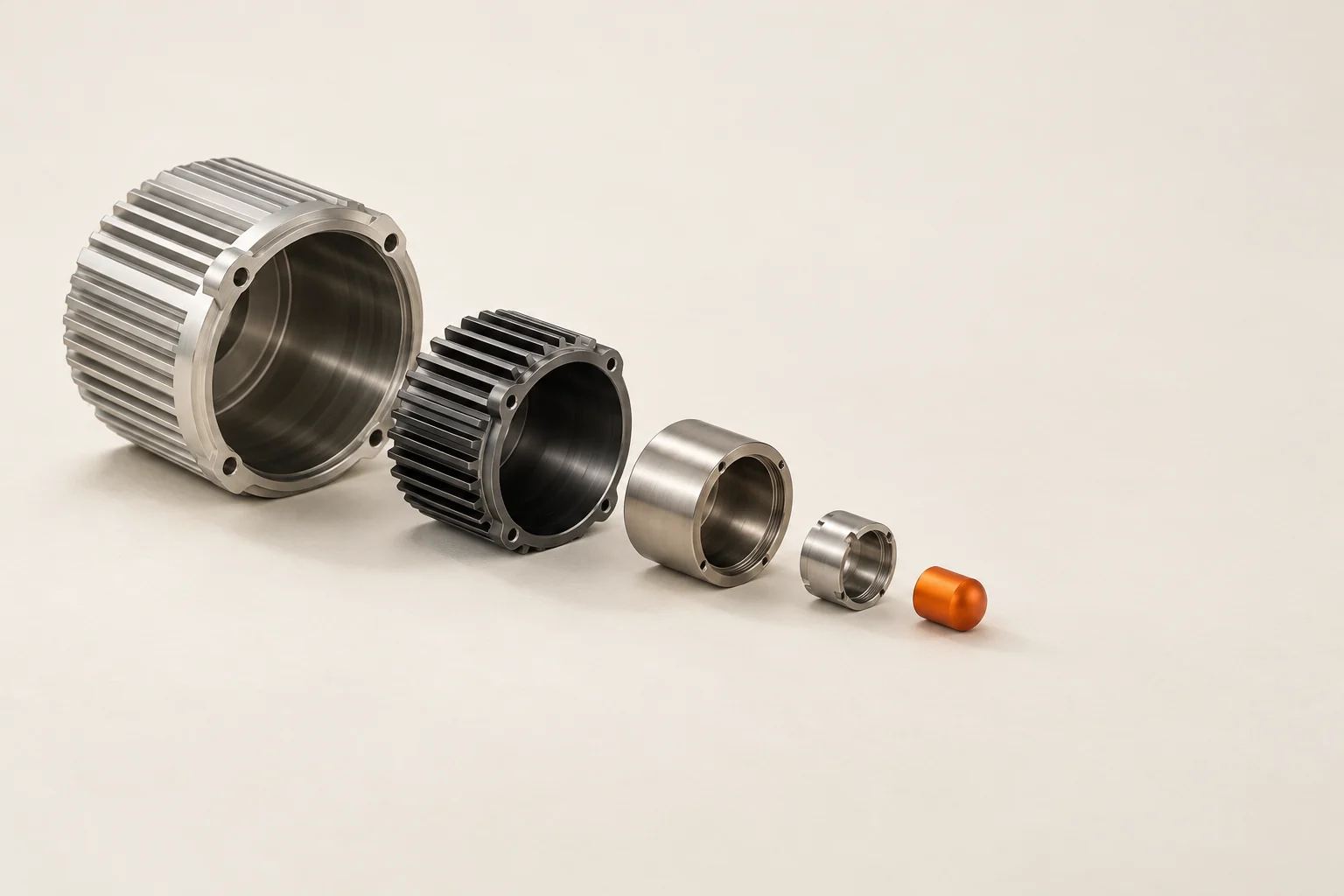
The problem
The development kit works in the lab. Then it goes into a control cabinet that reaches 50 °C on a summer afternoon, the module throttles, and frames drop. The fan clogs with dust. The 24 V supply sags when a large contactor pulls in, and the gateway reboots. Eighteen months later the module is discontinued, and its replacement needs a new carrier board and a fresh round of qualification.
None of that shows up in a datasheet comparison. Edge compute is a systems decision: the model, the latency budget, the power available, the worst-case ambient and the support period decide the answer together.
Compute selection
We work across all three families and benchmark your model on candidate hardware before recommending one. This is how they generally compare.
| Consideration | Hailo (Hailo-8, Hailo-10H) | NVIDIA Jetson Orin | NVIDIA Jetson Thor | Qualcomm Dragonwing |
|---|---|---|---|---|
| Typical role | AI accelerator paired with a host processor | GPU module for multi-camera vision | Highest-performance module for many streams and on-device generative models | Industrial processor with CPU, GPU and NPU on one chip |
| Power and heat | Lowest; easy to cool without a fan | Moderate, configurable power modes | Highest of the four; needs serious thermal design | Low to moderate |
| Strengths | Efficiency per watt on vision networks; Hailo-10H adds support for generative models | Broad software ecosystem — CUDA, TensorRT, DeepStream — and wide model support | Headroom for vision-language models and dense multi-camera lines | Integrated connectivity and extended-temperature options for harsh sites |
| Trade-offs | Models must be compiled with Hailo's toolchain; unsupported layers need rework | More power and heat than accelerator-based designs | Cost, power and heat are overkill for one or two cameras | Smaller vision tooling ecosystem; porting effort for some models |
| Perflens gateway | Gatepoint G2 | Gatepoint G4 | Gatepoint G8 | Gatepoint XT |
Beyond the module
Fanless conduction cooling sized for your worst-case cabinet temperature, verified with sustained inference at maximum ambient — not a burst benchmark.
24 V DC input with surge, reverse-polarity and brownout handling, PoE+ budgets for the cameras, and a clean shutdown that protects storage.
Vibration-rated mounting, locking M12 connectors, and conformal coating where condensation is likely. DIN-rail or wall mount to suit the panel.
IP67 as standard and IP69K stainless for washdown areas, with cable glands and cabinet layouts that a maintenance technician can work on.
End-of-life notices tracked for key parts, last-time buys and alternates planned, and the requalification plan written before deployment.
Factory acceptance in our Jackson lab, site acceptance on your line, and documentation your team can maintain.
For equipment makers
Machine builders increasingly want inspection or condition monitoring built into the equipment they sell, not bolted on by each customer. The constraints are different from a one-off plant installation: a bill of materials that has to hold its price, limited panel space, a service model that spans many installations, and customers with their own IT and security policies.
We design the compute in from the start — module, carrier board, cooling path, power and connectors — and deliver documentation your production team or contract manufacturer can build from. Firmware comes from our embedded engineering team, and edge and OT security covers what EU customers will ask under the Cyber Resilience Act.
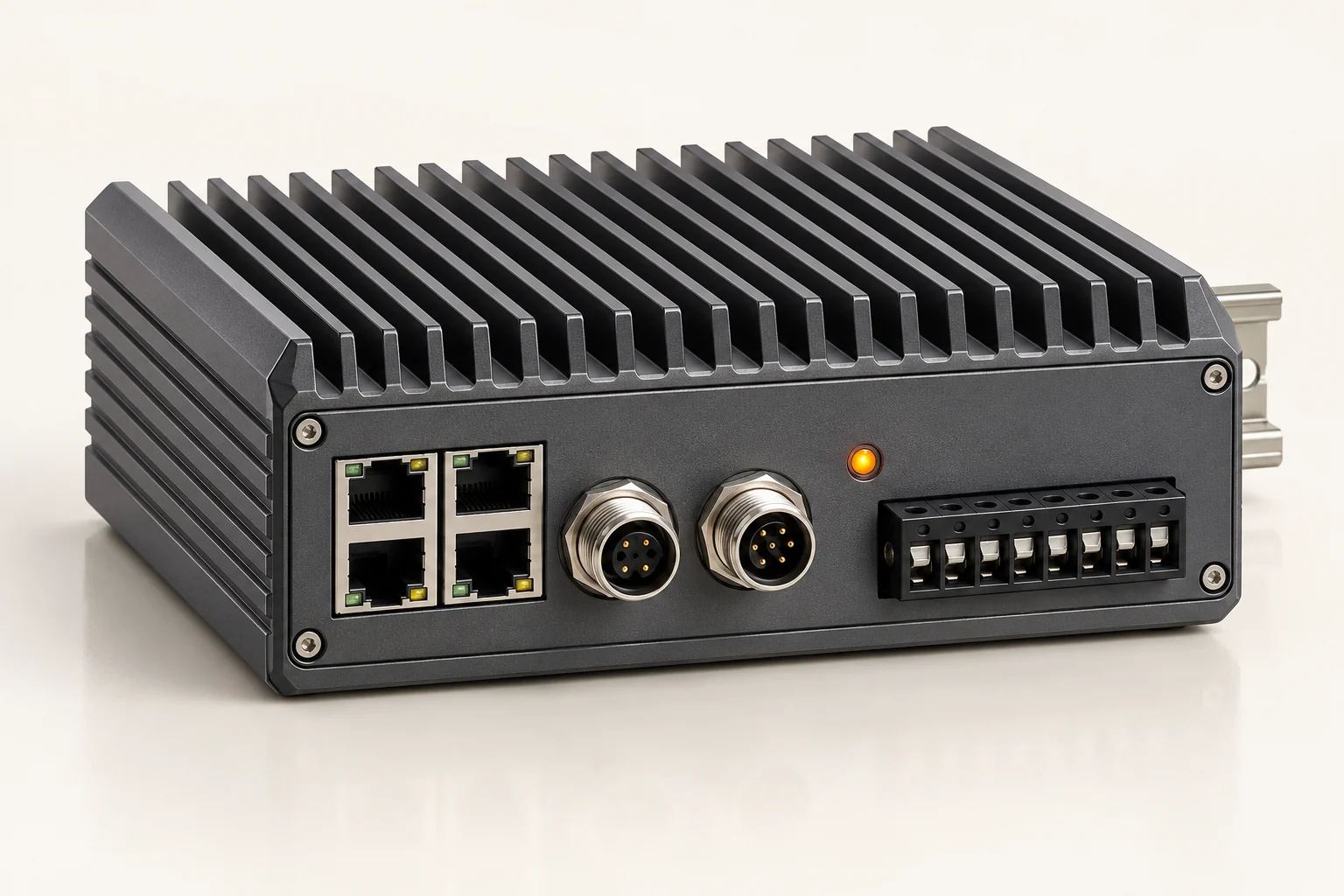
Process
We run your model, or a representative one, on two or three candidate platforms and measure latency, throughput and power at temperature, including the accuracy cost of quantization.
Module, carrier, enclosure, cooling path and power design, with a thermal budget for the worst-case ambient you specify.
Prototype units run sustained inference through thermal soak, power interruption and long-duration tests before anything goes to site.
Pilot units on your line or in your machine, factory and site acceptance tests, and a handover with drawings, test reports and spares plan.
Deliverables
Honest fit
See it in context
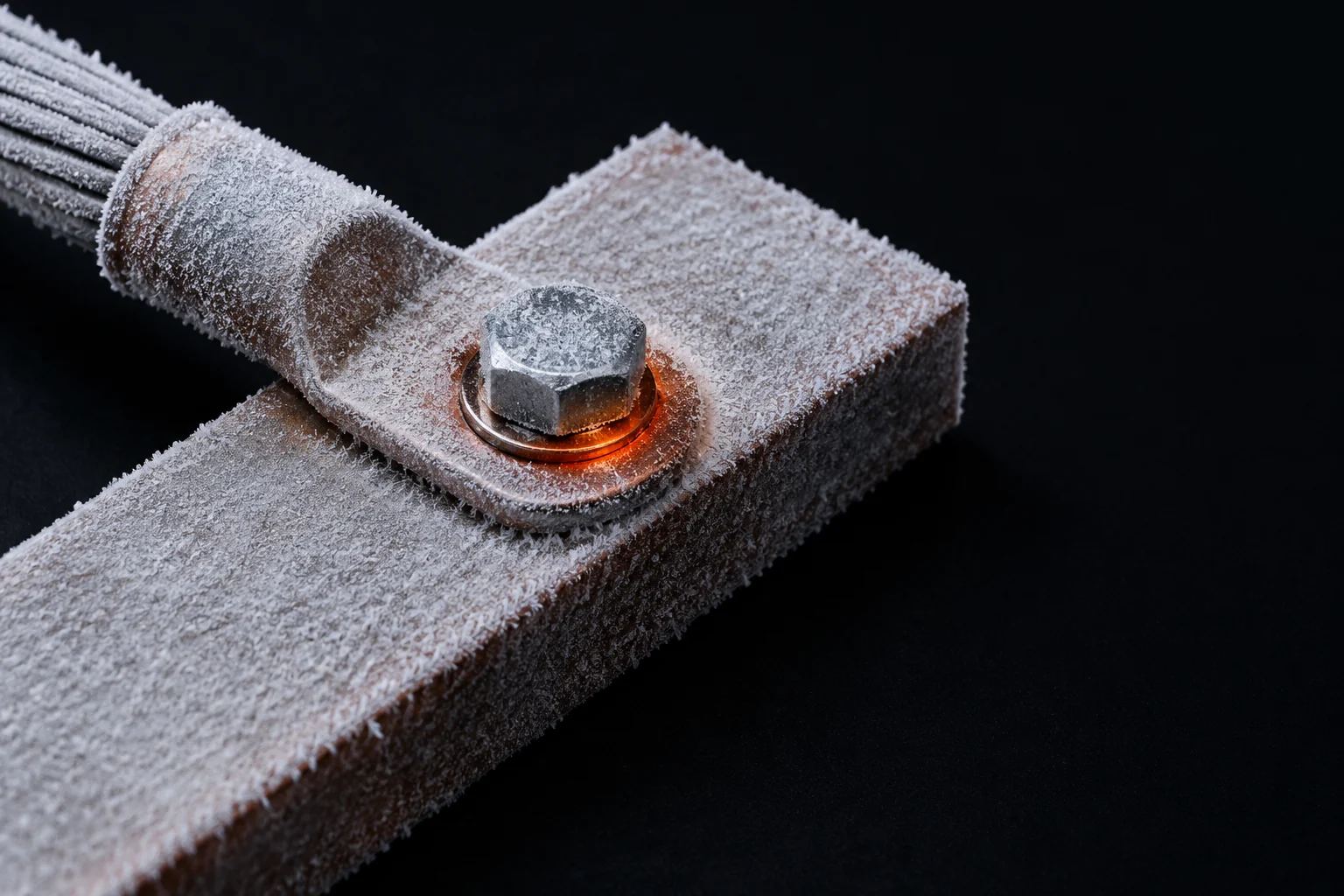
A Gatepoint XT handles analysis at an outdoor critical-power site from −40 to 70 °C in a modeled scenario.
Read more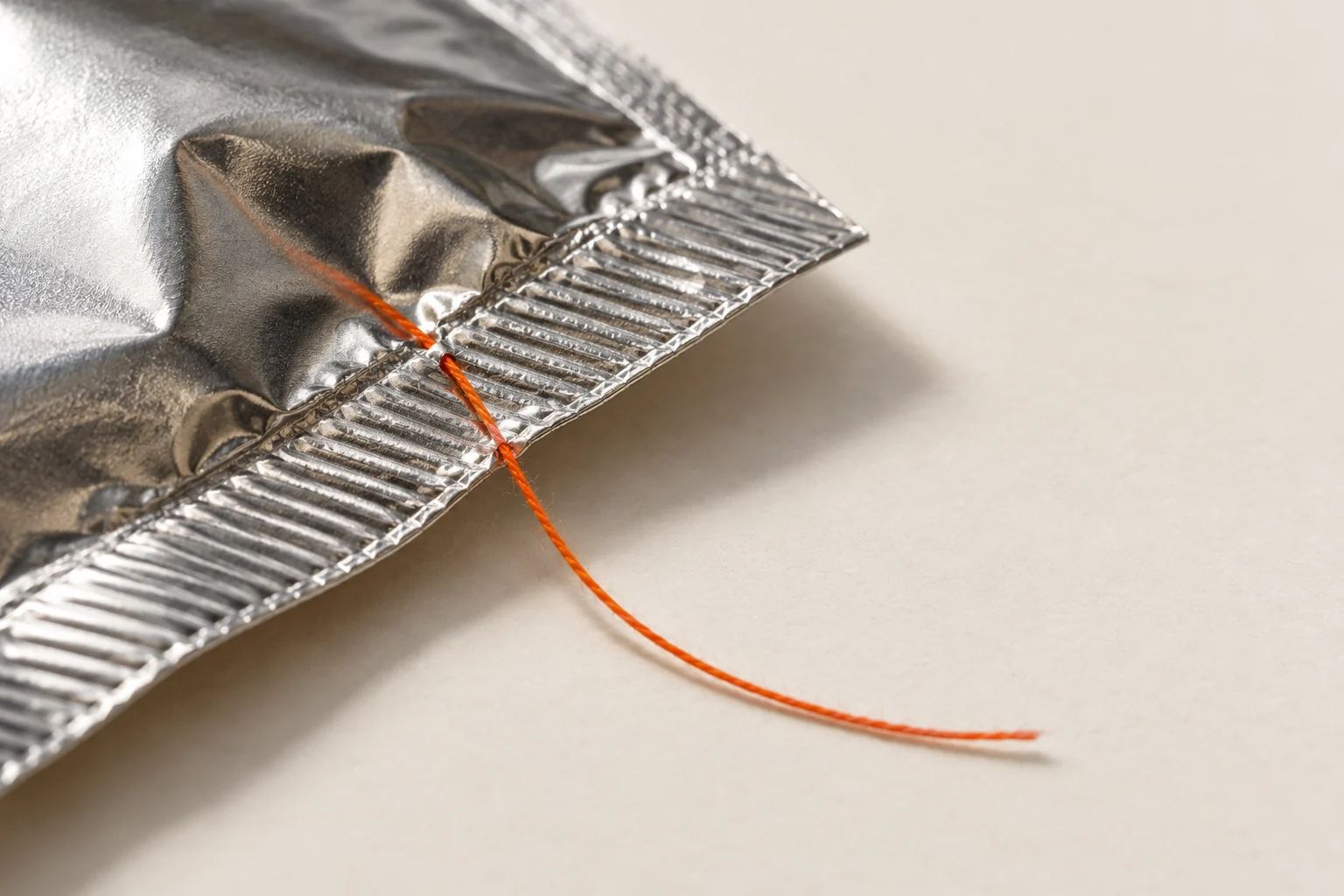
A low-power Gatepoint G2 is enough for a single high-speed inspection station in a modeled food-line scenario.
Read more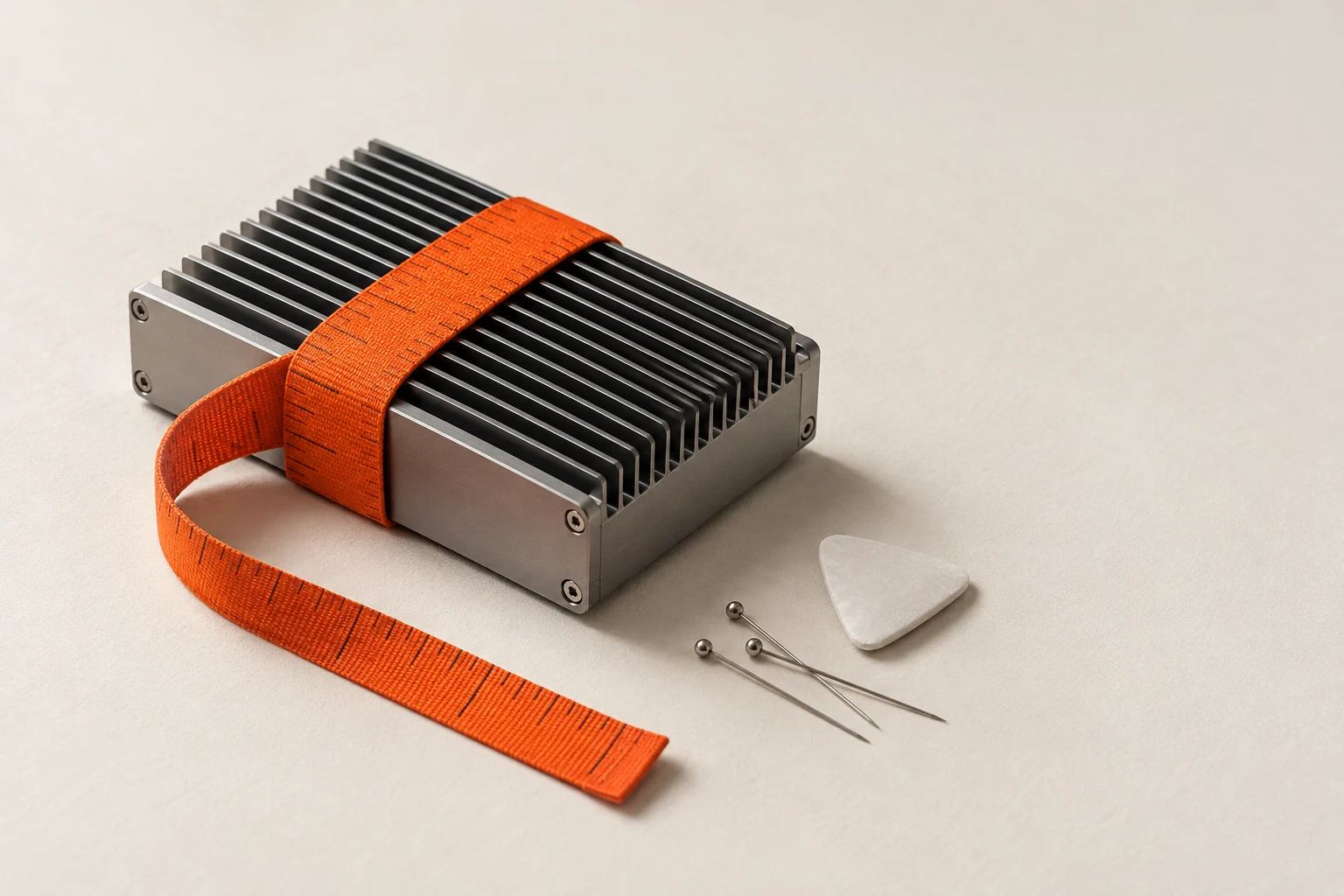
Theo Ramírez compares Jetson, Hailo and Qualcomm platforms for industrial workloads.
Read moreFAQ
No. Our Gatepoint range spans Hailo, NVIDIA and Qualcomm platforms, and models are exported as ONNX so they can move between them. We recommend whatever fits your model, environment and lifecycle best.
Usually. We profile it on candidate hardware first. Some layers are not supported on every accelerator and need small changes, and quantizing to lower precision can cost accuracy — we measure that on your real test images before recommending anything.
The obsolescence plan written at design time names the alternates, the last-time-buy point and the requalification steps. On subscriptions and Perflens Care, hardware replacement is part of the service.
Yes. Equipment-maker engagements often end with a documentation package — drawings, bill of materials, test procedures — that your production team or contract manufacturer builds from.
We start from the measured worst case. If it exceeds what a fanless design can handle, we move the mounting location, cool the cabinet, or choose a lower-power platform that still meets the latency budget.
Send us a model and the worst-case temperature it has to survive. One call is enough to tell you which platforms are worth benchmarking.