GigE Vision and USB3 Vision cameras
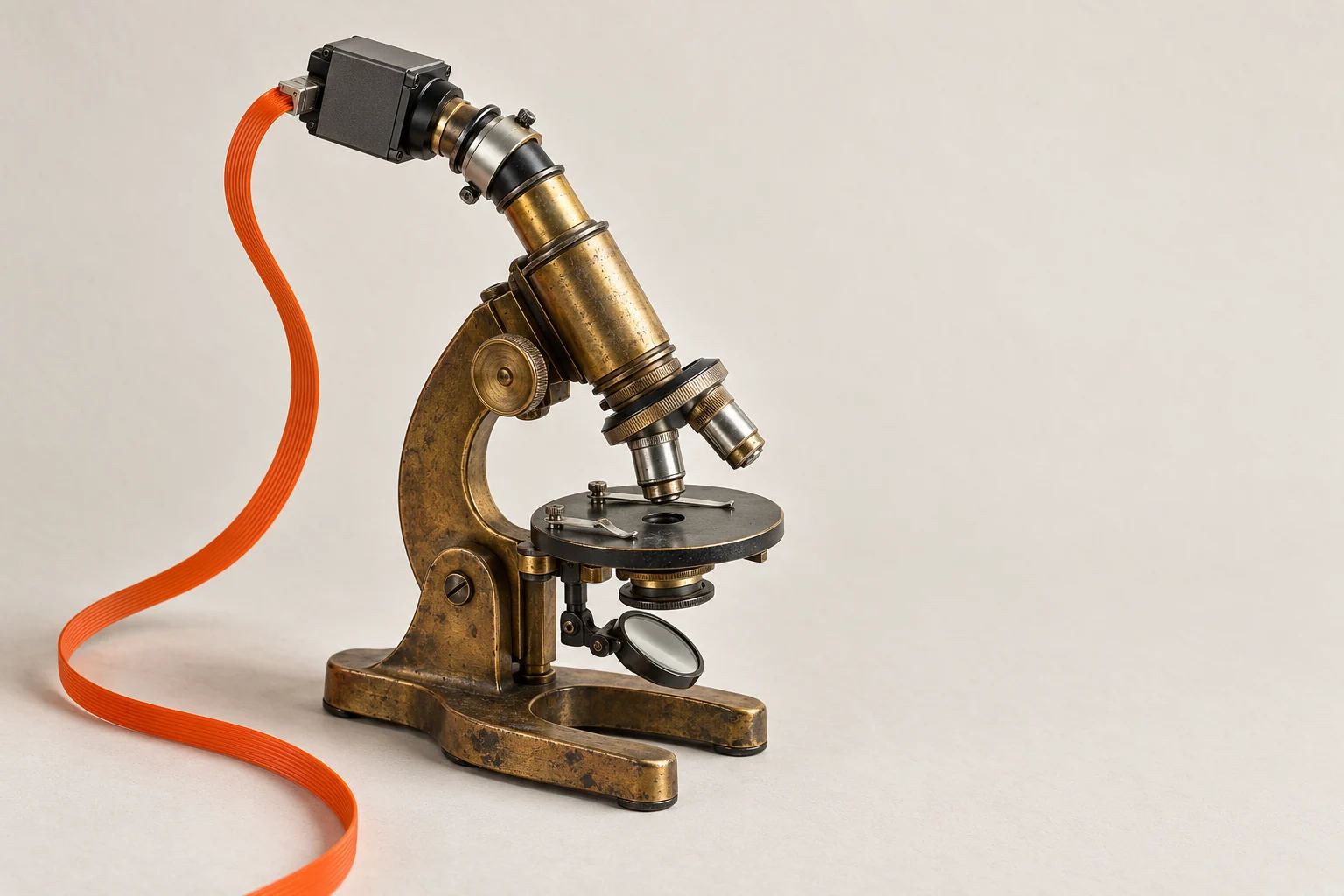
GigE Vision and USB3 Vision cameras stream directly into a Gatepoint gateway. Lens, mount and trigger stay as they are.
Vision & Inspection
We add AI defect detection to the industrial cameras and smart cameras already on your line — keeping the mounts, guarding and validation you paid for, and wiring every verdict into your PLC and MES.
The problem
Most lines we walk already have cameras. A smart camera went in years ago to confirm a label or count fasteners, and it still does that well. Then the job grew: the same station is now expected to catch weld spatter, thread damage and cosmetic scuffs — defects that change shape from part to part. Tolerances get widened, false rejects climb, and eventually someone bypasses the station on second shift.
Replacing the whole cell means new brackets and guarding through a safety review, re-validation with your customer or quality system, and days of line time. Usually the mount, the trigger and the lens are sound. What the station lacks is judgement — a model that has learned what your good parts and your defects actually look like.
How it works
GigE Vision and USB3 Vision cameras stream directly into a Gatepoint gateway. Lens, mount and trigger stay as they are.
Where a smart camera runs your measurement tools, we take the images it streams or pushes and add AI classification beside its result.
Brackets, shrouds and guarding that passed your safety and validation reviews stay in place. We add compute, not a new cell.
We map into your trigger, encoder and reject logic over digital I/O, EtherNet/IP, PROFINET or Modbus TCP, so the reject gate behaves as maintenance expects.
Verdicts and image references flow to your MES or historian over OPC UA or MQTT, attached to the part ID. See integrations.
The new model runs beside the current tool, logging every disagreement until your quality team signs off.
Retrofit or replace
We would rather say so early than retrofit something that cannot work. These are the signs that a camera, a light or the station should change:
Then we quote a partial upgrade — a Lensnode V on the existing mount, or a new light — or a full AI visual inspection cell, with the cost of each. Our field note Retrofit or replace? covers the decision in depth.
Process
We record images from your cameras at production speed, review triggers, lighting and PLC logic, train a baseline and give you a written verdict per station.
A loaner Gatepoint taps the image stream without touching reject logic, judged against success criteria agreed in writing.
PLC handshake, MES fields and operator screens, then a planned switchover during a scheduled stop. The original logic stays available as a documented fallback.
Perflens Care watches for drift and retrains the model as materials, suppliers and tooling change.
Deliverables
Compatibility
Honest fit
See it in context
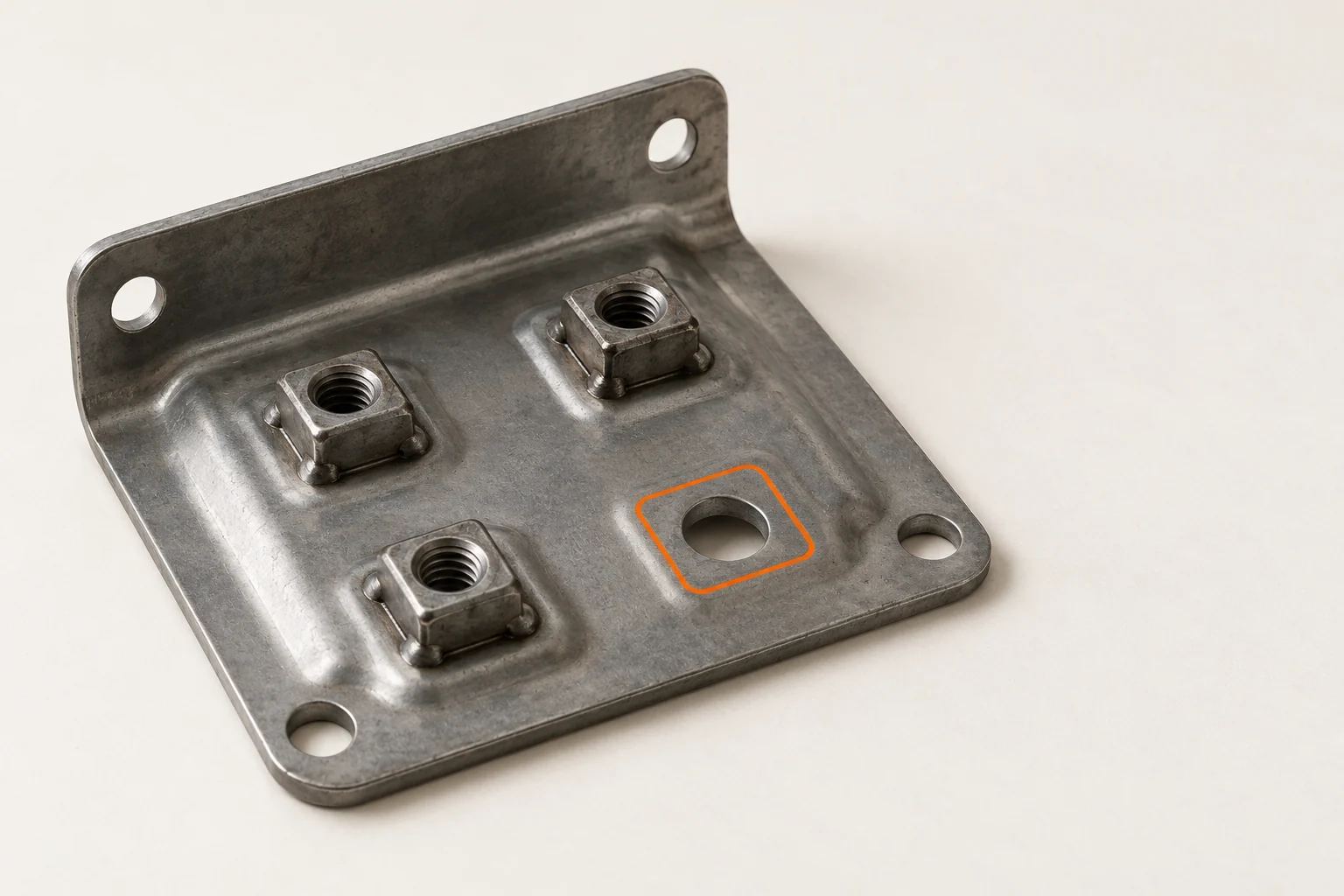
A stamping line's own cameras plus a PLC handshake, in a modeled automotive scenario.
Read more
Fastener, weld and surface checks on lines with years of validated vision.
Read more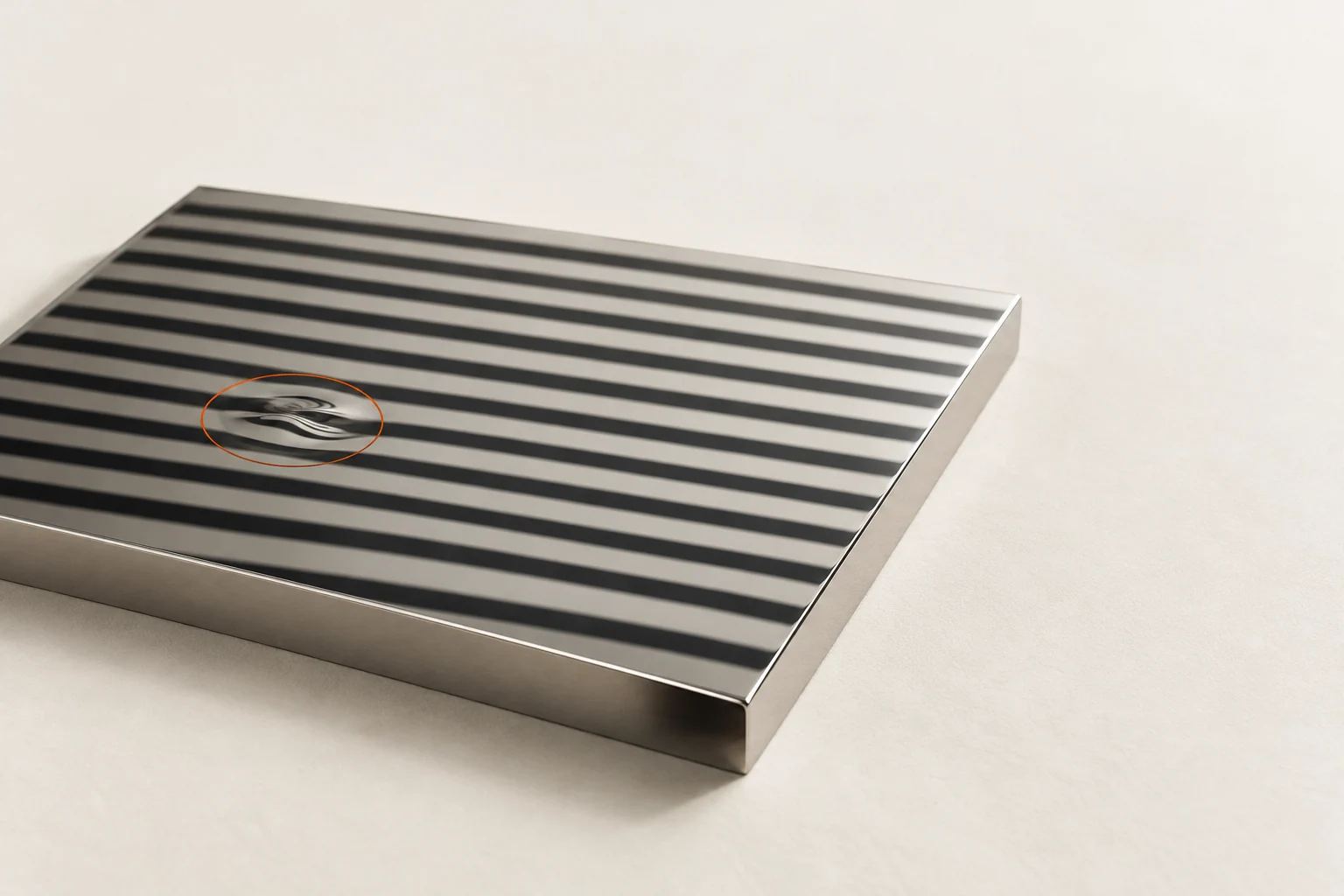
Weld seams, spatter and surface defects that rule-based tools struggle to judge.
Read moreFAQ
Not for the evaluation. During shadow mode the gateway only reads images and never touches reject logic. The cutover itself is planned around a scheduled stop, and the original logic stays available as a fallback.
Yes, and they often should. A common pattern keeps dimensional checks on the smart camera and adds the AI model for cosmetic or variable defects, with both results combined in the PLC.
GigE Vision and USB3 Vision industrial cameras, and smart cameras that can stream or push their images. If a camera only talks to a closed PC application, the Feasibility Sprint checks whether its images can be reached; sometimes a new camera on the same mount is cheaper.
It adds a decision to it, so it goes through your change control. We supply the evidence that process needs — the shadow-mode comparison, the model card and the FAT/SAT records — so the review is about data rather than opinions.
It starts with a $9,500 Feasibility Sprint, fully credited if you go ahead within 90 days. Because cameras and mechanics are reused, retrofits usually cost less than a new cell; you can buy the system outright or subscribe from $2,950 per station per month. See pricing.
A three-week Feasibility Sprint tests images from your existing stations and tells you, in writing, whether to retrofit, upgrade or replace.