Same moment, every shot
The press's mold-open signal triggers each capture, so every frame shows the parts at the same age and shot-to-shot comparisons are fair.
Example engagement
In this representative molding cell, one cold hot-runner drop or fouled cooling circuit quietly scraps boxes of parts. A Lensnode T would read every cavity at mold-open and divert the bad shot before it mixes with good ones.
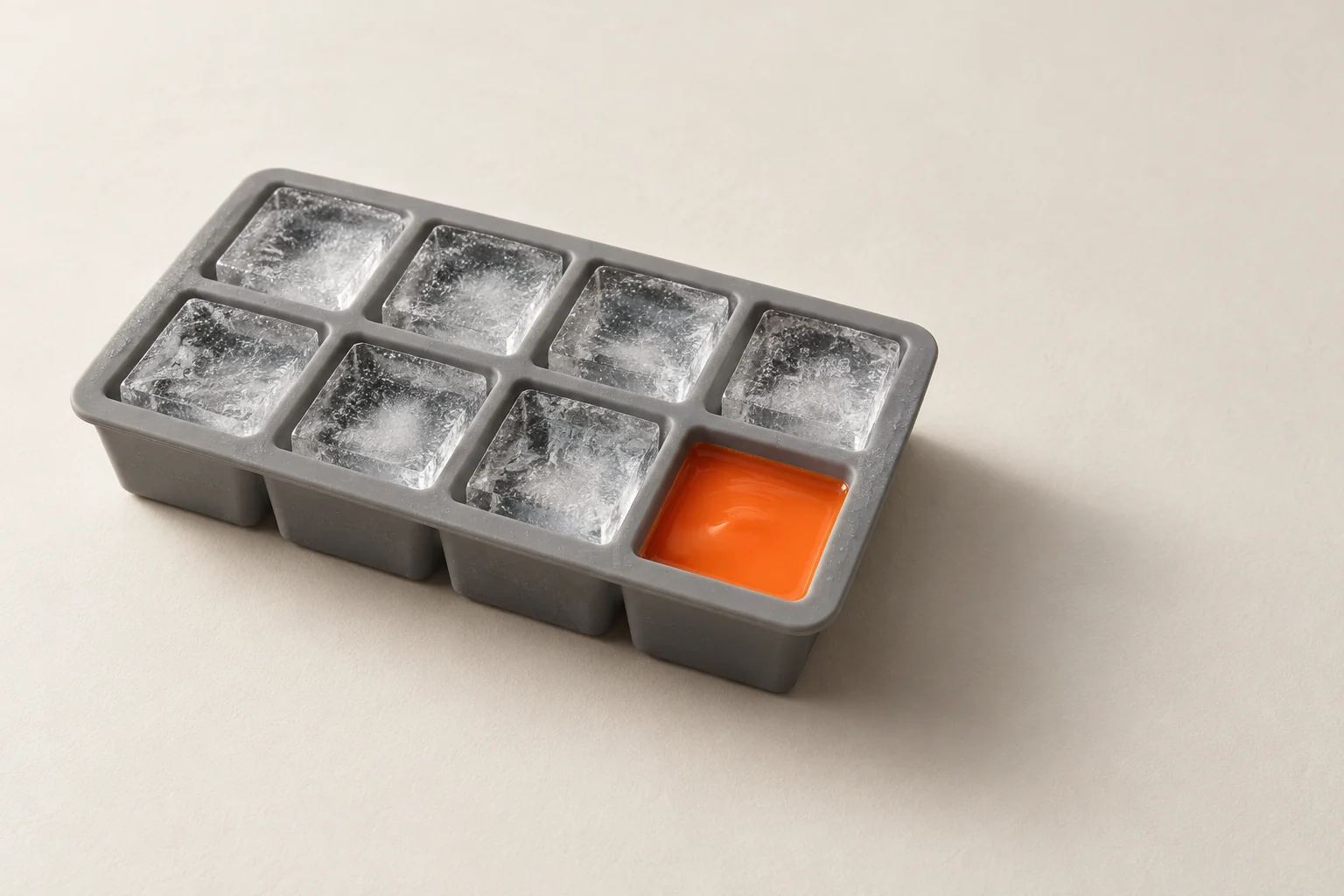
Example engagement — a representative scenario built from typical deployment parameters. Figures are modeled, not reported results from a named client.
Modeled results
less scrap from this tool (modeled)
from a cavity fault appearing to that shot being diverted
cavities measured at every mold-open
Constraints
Approach
Cold parts carry no thermal history, so here the sample is the process. A field engineer clamps a temporary Lensnode T above the press for three production days, and in the lab we match every mold-open frame to the plant's scrap tags and cavity numbers. Cold-drop cavities show a cooler latch region than their neighbors, often before the latch is visibly short. Verdict, go.
The loaner camera and a Gatepoint G2 run alert-only on the production tool. Success criteria, agreed in writing: flag every cavity the hourly audit finds short or sunk, with no more than one false alarm per shift.
A permanent quick-release mount with an indexing pin, an air purge that keeps mold-release mist off the camera window, and a digital output wired to the press's good/bad chute. Cavity regions and baselines are stored per mold and selected by the mold ID the press reports.
Perflens Care Essentials reviews drift monthly and retrains twice a year; a new resin lot or colorant is the usual reason to refresh a cavity baseline.
What the system does
The press's mold-open signal triggers each capture, so every frame shows the parts at the same age and shot-to-shot comparisons are fair.
Every cavity is compared with its own history and with the other 15 in the same frame. A warmer afternoon or a new resin lot moves all 16; a fault moves one, or one group.
Polished mold steel is a poor infrared emitter and reflects heat from its surroundings, so absolute steel readings mislead. Molded nylon emits well, so the model reads the parts and trusts patterns over single temperatures.
When a cavity leaves its pattern, the Gatepoint sets an output and the press chute sends that whole shot to scrap before it mixes with good parts.
A cold latch region in one cavity points to its hot-runner drop; a hot boss across neighboring cavities points to a cooling circuit. The alert says which, and where.
Perflens Console plots every cavity's thermal signature over weeks, so a weakening heater or a scaling circuit becomes planned work, not a lost shift.
Modeled results
less scrap from this tool
from a cavity leaving its pattern to that shot being diverted
cavities measured at every mold-open, instead of one sample an hour
Modeled for one 16-cavity tool on a 22-second cycle, around the clock. The baseline assumes short shots and sink marks are the main scrap causes, and that suspect production between hourly checks is sorted or scrapped. The reduction comes from bad shots diverted before they mix with good parts, and from faults fixed sooner because the toolroom sees them earlier. Defects with no reliable thermal signature, such as splay and black specks, are outside the model.
Phase two
Related services
Fixed radiometric thermal and multispectral sensing for process quality, from mold faces to sealing jaws.
Read more
Cycle, stop and scrap data from every press, turned into losses by shift that a plant manager can act on.
Read more
Defect detection and process monitoring for injection molding, extrusion and thermoforming.
Read moreFAQ
Keep them; they catch a dead heater. But a heater that is weakening, or a thermocouple that has drifted or backed out of its well, can hold the displayed setpoint while the melt in that drop runs cold. The camera measures the result in the part, which is what your customer receives.
No. The mount returns to the same position on its indexing pin, and each mold's cavity regions and baselines are stored and selected automatically. A brand-new tool needs a few hours of production to build its first baseline.
For thermal work, a Feasibility Sprint starts with a few days of recordings on your press rather than a box of cold parts. Three weeks later you have a written go/no-go.